

While conventional treatments such as antihistamines can offer relief, many people are now turning to alternative therapies and aromatherapy to support their wellbeing in a more holistic and gentle way.
What is Hay Fever?
Hay fever, also known as seasonal allergic rhinitis, is an allergic reaction to airborne pollen. When the immune system mistakenly identifies pollen as harmful, it releases histamines, leading to the familiar symptoms of inflammation and irritation.
Triggers can vary depending on the time of year. In spring it is tree pollen, in summer it is grass pollen, and in autumn it is weed pollen. Understanding your triggers can be the first step toward managing symptoms more effectively.
How Alternative Therapies Can Help
Alternative therapies focus on supporting the body as a whole rather than simply suppressing symptoms. They can help strengthen the immune system, reduce inflammation, and promote relaxation, all of which are beneficial for hay fever sufferers.
Reflexology works on specific pressure points on the feet that correspond to different areas of the body. For hay fever, attention is often given to the sinus, lung, and immune system reflexes. This can help encourage drainage, ease congestion, and support overall balance within the body.
Massage therapy can help stimulate the lymphatic system, aiding the body in clearing toxins and reducing inflammation. It also promotes relaxation, which can be especially helpful when hay fever symptoms disrupt sleep and increase stress levels.
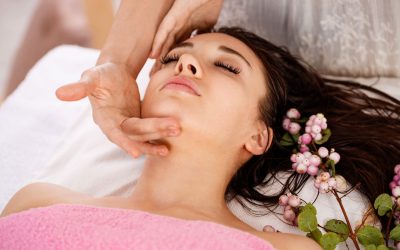
Gentle facial and sinus massage techniques can help relieve sinus pressure and improve circulation around the nose and eyes. This may reduce puffiness and ease headaches associated with hay fever.
The Importance of Lymphatic Drainage
The lymphatic system plays a key role in immune function and fluid balance within the body. When it becomes sluggish or congested, something that can happen during allergy season, it may contribute to symptoms such as puffiness, sinus congestion, and a feeling of heaviness.
Lymphatic drainage massage is a gentle, rhythmic technique designed to encourage the natural movement of lymph fluid around the body. By supporting this process, it may help reduce swelling around the face and eyes, encourage the removal of toxins and allergens, ease sinus congestion, and support the immune system.
For hay fever sufferers, focusing on the neck, face, and upper chest areas can be particularly beneficial, as these regions are closely linked to sinus drainage pathways.
Even simple self care techniques such as light facial massage, dry body brushing, staying well hydrated, and gentle movement can help keep the lymphatic system flowing more effectively.
Breathing and Relaxation Techniques
Stress can exacerbate allergy symptoms. Practices such as deep breathing, mindfulness, and gentle yoga can help calm the nervous system and support better respiratory function.
The Power of Aromatherapy
Aromatherapy uses essential oils derived from plants to support physical and emotional wellbeing. Certain oils are particularly helpful for managing hay fever symptoms due to their anti inflammatory, antihistamine, and decongestant properties.
Peppermint oil is known for its cooling and refreshing properties and can help open airways and ease sinus congestion.
Eucalyptus oil is widely used to support respiratory health. Its natural decongestant properties can help clear blocked sinuses and promote easier breathing.
Lavender oil is gentle yet powerful. It can help calm the immune response, reduce inflammation, and promote relaxation, especially useful for improving sleep during hay fever season.
Chamomile oil has soothing, anti inflammatory qualities that may help reduce irritation in the eyes and nasal passages.
Simple Ways to Use Aromatherapy at Home
You can try steam inhalation by adding a drop of eucalyptus or peppermint oil to a bowl of hot water, covering your head with a towel, and inhaling deeply. A diffuser with a blend of lavender and chamomile can help create a calming environment. You can also dilute essential oils with a carrier oil and apply them to pulse points such as the wrists or temples. Adding a few drops of lavender oil to a warm bath can help relax both body and mind.
A Holistic Approach to Hay Fever Relief
Managing hay fever naturally is about supporting your body rather than fighting against it. By combining alternative therapies such as reflexology, massage, lymphatic drainage, and the gentle yet effective power of aromatherapy, you can create a personalised approach to relief that works in harmony with your body.
As always, it is important to listen to your body and choose therapies that feel right for you. If symptoms are severe or persistent, consulting a healthcare professional is recommended.
Breathe easier, naturally and let your body find its balance this allergy season.