Understanding what chilblains are and how to care for yourself can help reduce discomfort and support recovery.
What Are Chilblains?
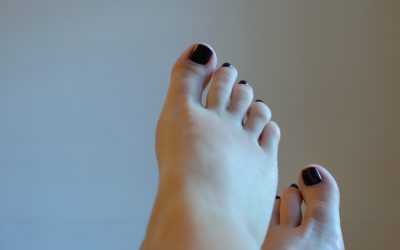
Chilblains (also known as pernio) are an inflammatory skin reaction that occurs when the skin is exposed to cold, damp conditions and then warms up too quickly. This rapid change in temperature can affect small blood vessels near the skin’s surface.
Chilblains are more common in colder climates and tend to affect:
- Toes and fingers
- Heels
- Ears
- Nose
Common Symptoms of Chilblains
Symptoms can vary but often include:
- Red, purple, or bluish patches on the skin
- Swelling or puffiness
- Itching, burning, or tingling sensations
- Tenderness or pain
- Dry or cracked skin
- In more severe cases, blistering or ulceration
If chilblains become broken, infected, or unusually painful, it’s important to seek medical advice.
Who Is More Prone to Chilblains?
Chilblains are more common in:
- People with poor circulation
- Those who feel the cold easily
- Individuals who are underweight
- People with certain circulatory conditions
- Those frequently exposed to cold, damp environments
How Holistic Therapies May Help Support Comfort
While holistic therapies cannot treat chilblains directly, they may help support circulation, relaxation, and overall comfort during winter.
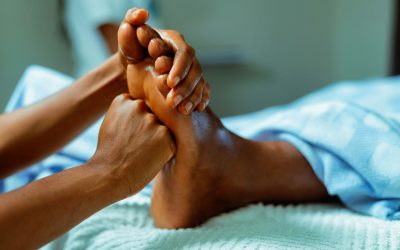
Reflexology
Reflexology focuses on specific points of the feet and may help to:
- Encourage relaxation
- Support circulation to the extremities
- Reduce stress and tension
- Promote a sense of warmth and wellbeing
For clients prone to cold feet, reflexology can feel particularly comforting.
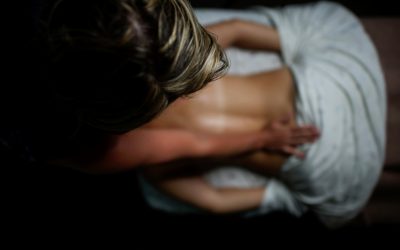
Massage Therapy
Gentle massage may help to:
- Improve circulation
- Reduce muscular tension
- Promote warmth and relaxation
- Support overall wellbeing
Massage can be adapted to ensure comfort and avoid areas affected by active chilblains.
Lymphatic Drainage
Lymphatic drainage is a gentle treatment that supports fluid movement within the body. It may help to:
- Reduce swelling and fluid retention
- Support circulation
- Encourage relaxation
- Help clients feel less heavy or sluggish
This can be especially beneficial during winter when activity levels are lower.
Warming & Relaxation Therapies
Treatments that promote warmth and deep relaxation — such as hot stone therapy — can be particularly comforting in colder months, helping clients feel more at ease and supported.
Self-Care Tips for Managing Chilblains
Alongside holistic treatments, the following self-care measures may help reduce the risk of chilblains:
- Keep hands and feet warm with gloves and thick socks
- Warm up gradually after being outside
- Avoid direct heat sources on cold skin
- Stay active to support circulation
- Moisturise skin regularly to prevent dryness
- Avoid smoking, as it can affect circulation
When to Seek Medical Advice
Seek medical advice if:
- Chilblains do not improve after a few weeks
- Skin becomes broken, infected, or ulcerated
- Pain is severe or worsening
- You have an underlying circulatory condition
Supporting Your Wellbeing This Winter
Chilblains can be uncomfortable, but with gentle care, warmth, and supportive therapies, many people find relief during the winter months. Holistic treatments offer a calm, nurturing space to relax and support circulation and comfort.